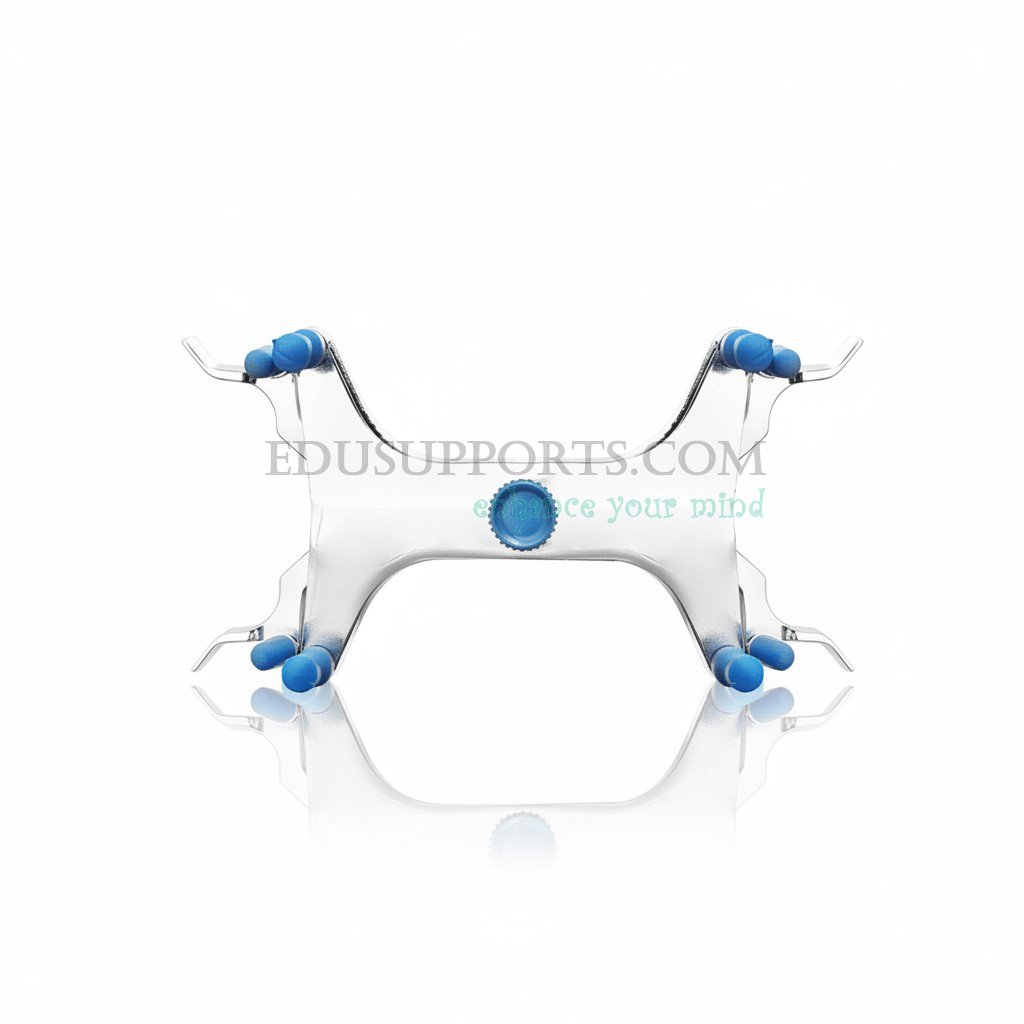
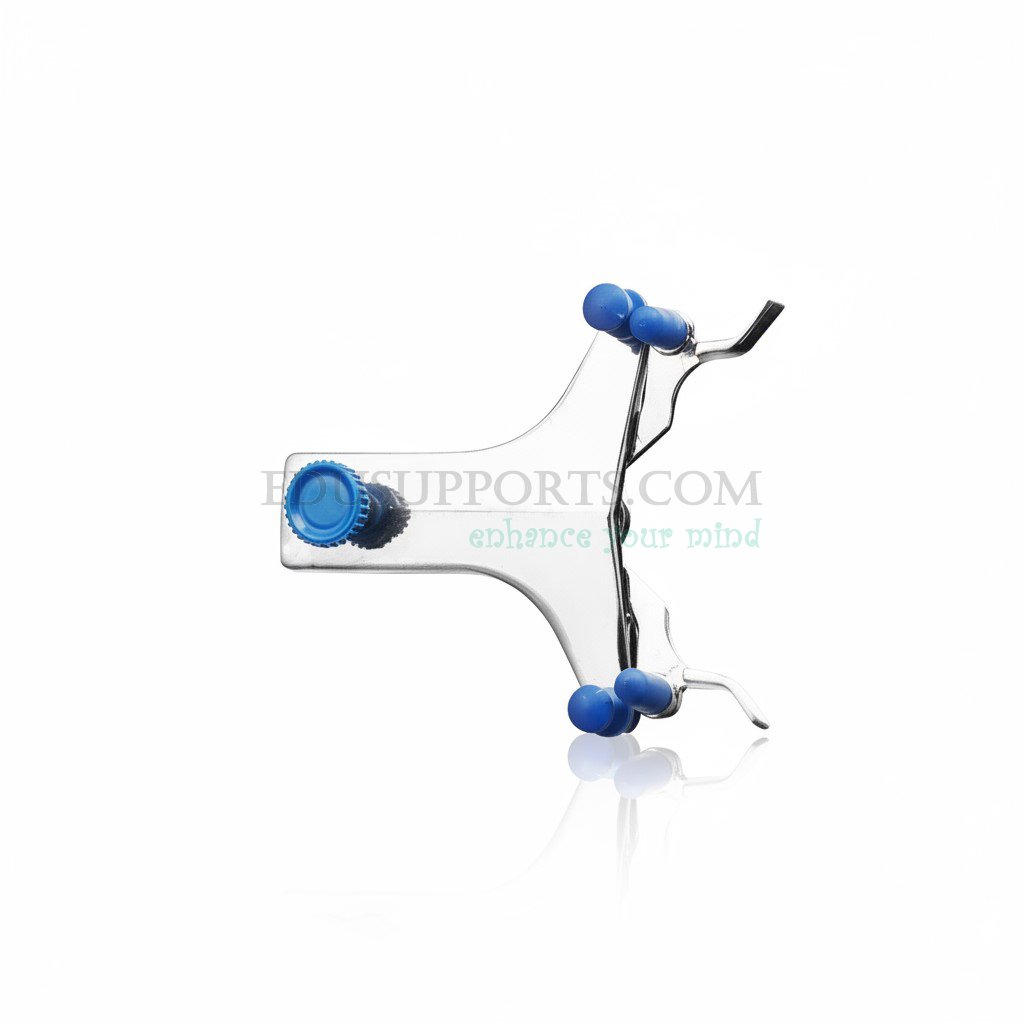
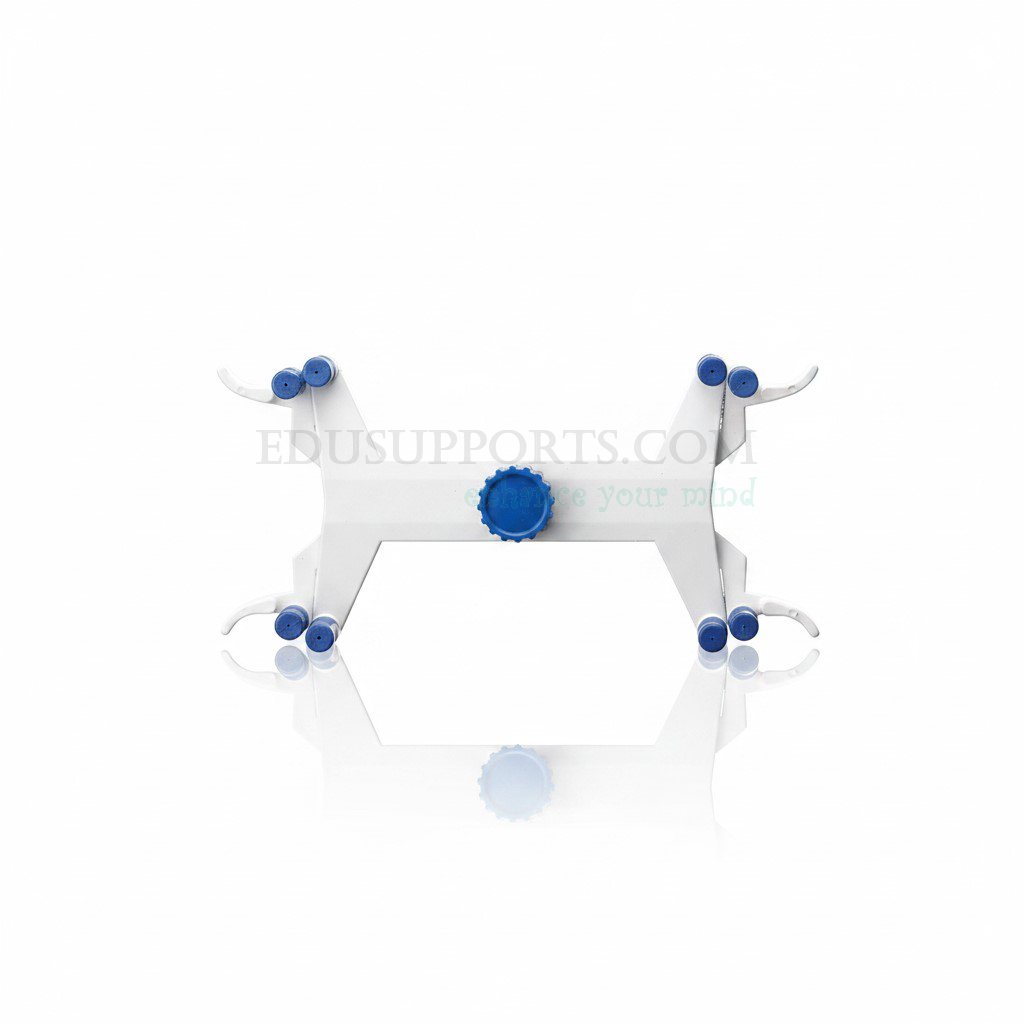
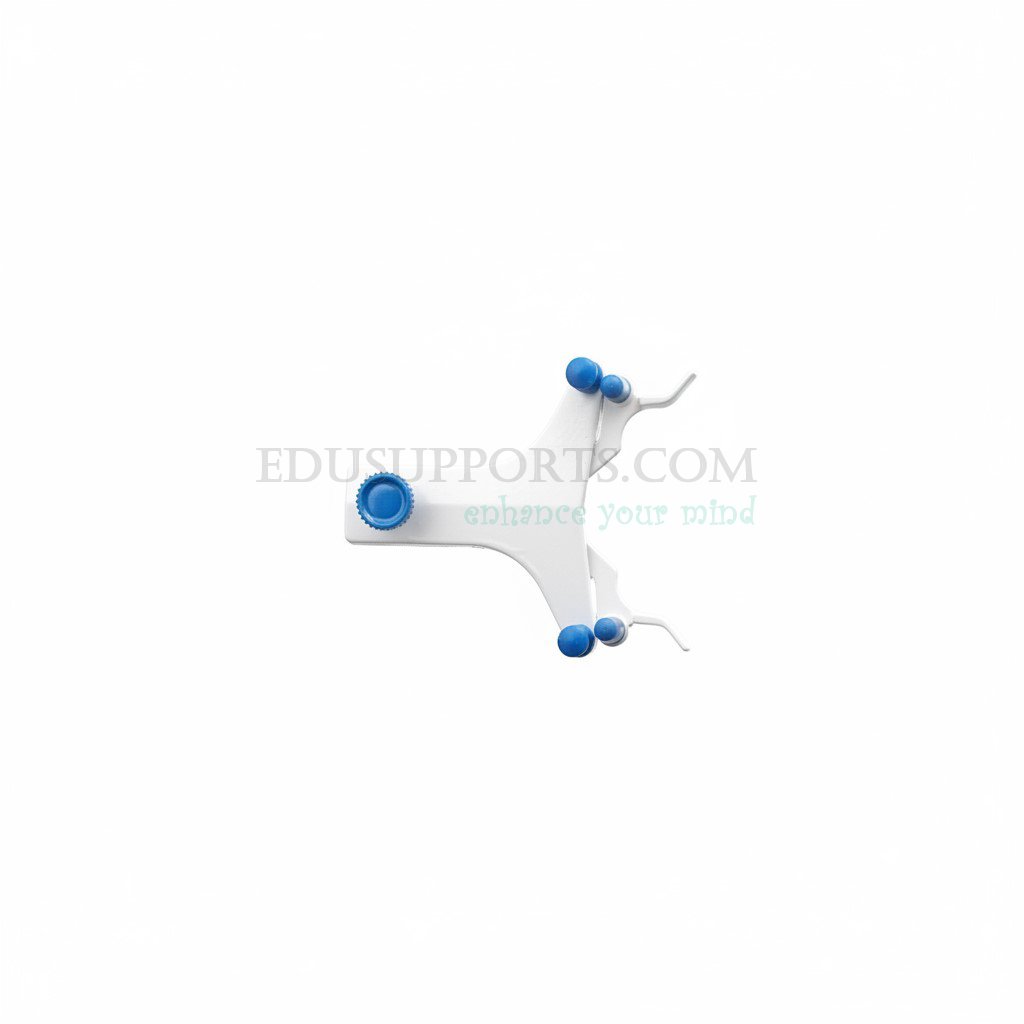
A burette clamp is a laboratory accessory used to securely hold burettes in place during titration and other precision experiments. It is typically attached to a lab stand or retort stand, ensuring that glassware remains stable and properly aligned.
Burette clamps are essential in analytical chemistry, where even small movements can affect measurement accuracy. Most designs include rubber-coated jaws or spring-loaded grips to prevent slipping and protect delicate glassware.
How Does a Burette Clamp Work?
A burette clamp works by attaching to a vertical support rod and gripping the burette using adjustable jaws. These jaws can:
Apply controlled pressure to hold the burette
Prevent movement during liquid dispensing
Allow easy repositioning when needed
Many modern clamps feature:
Spring-loaded mechanisms
Adjustable jaw openings
Rotating or swivel heads for flexible positioning
Types of Burette Clamps
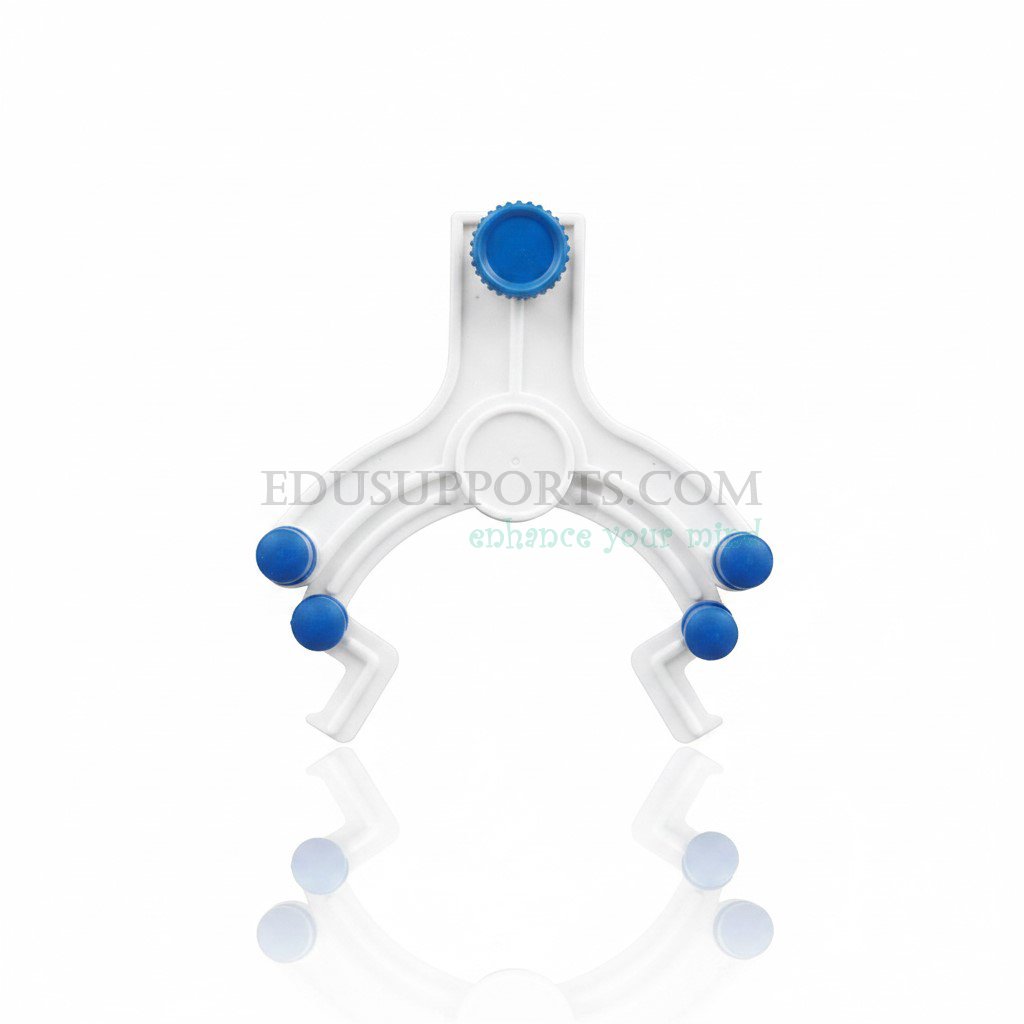
1. Single Burette Clamp
Designed to hold one burette, suitable for:
Basic titration experiments
Educational laboratories
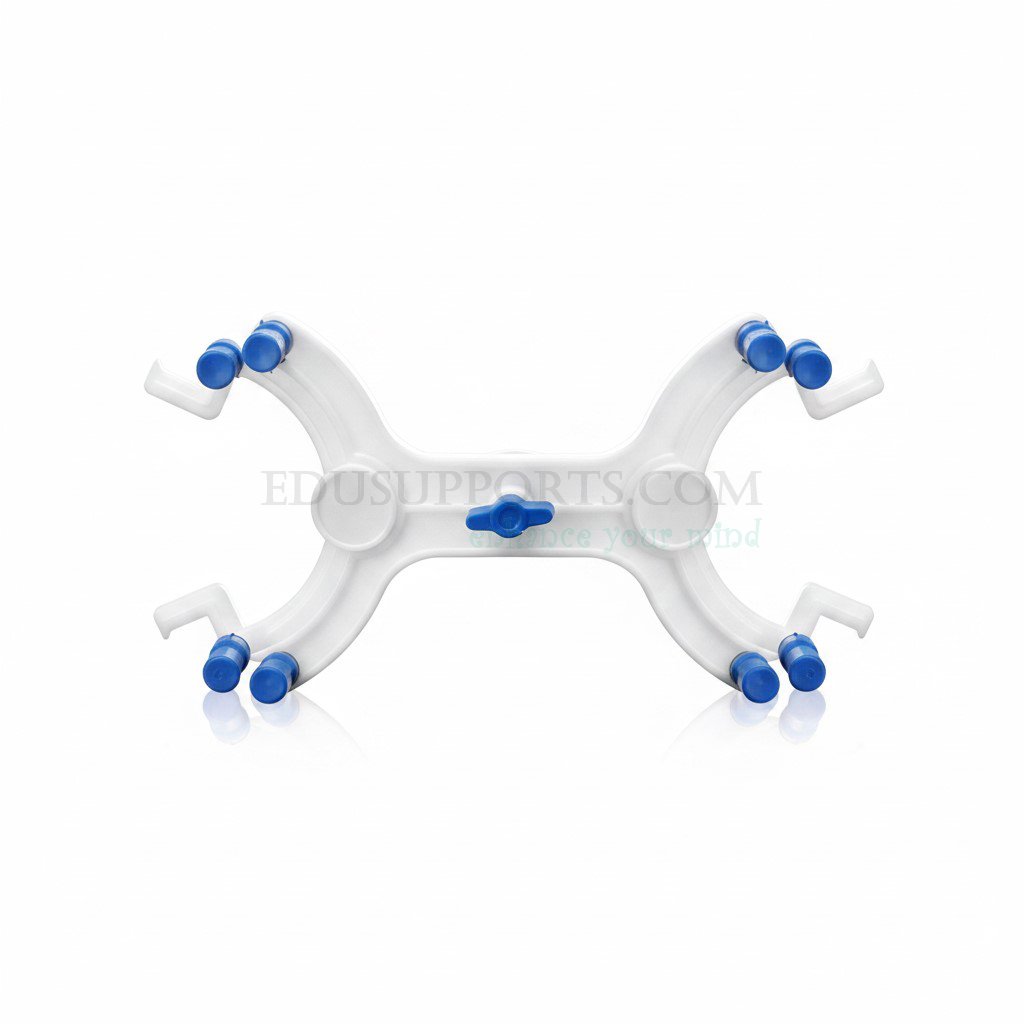
2. Double Burette Clamp
Can hold two burettes simultaneously, ideal for:
Comparative titration
Demonstrations and teaching
Double clamps are widely used because they improve efficiency and allow side-by-side experiments.
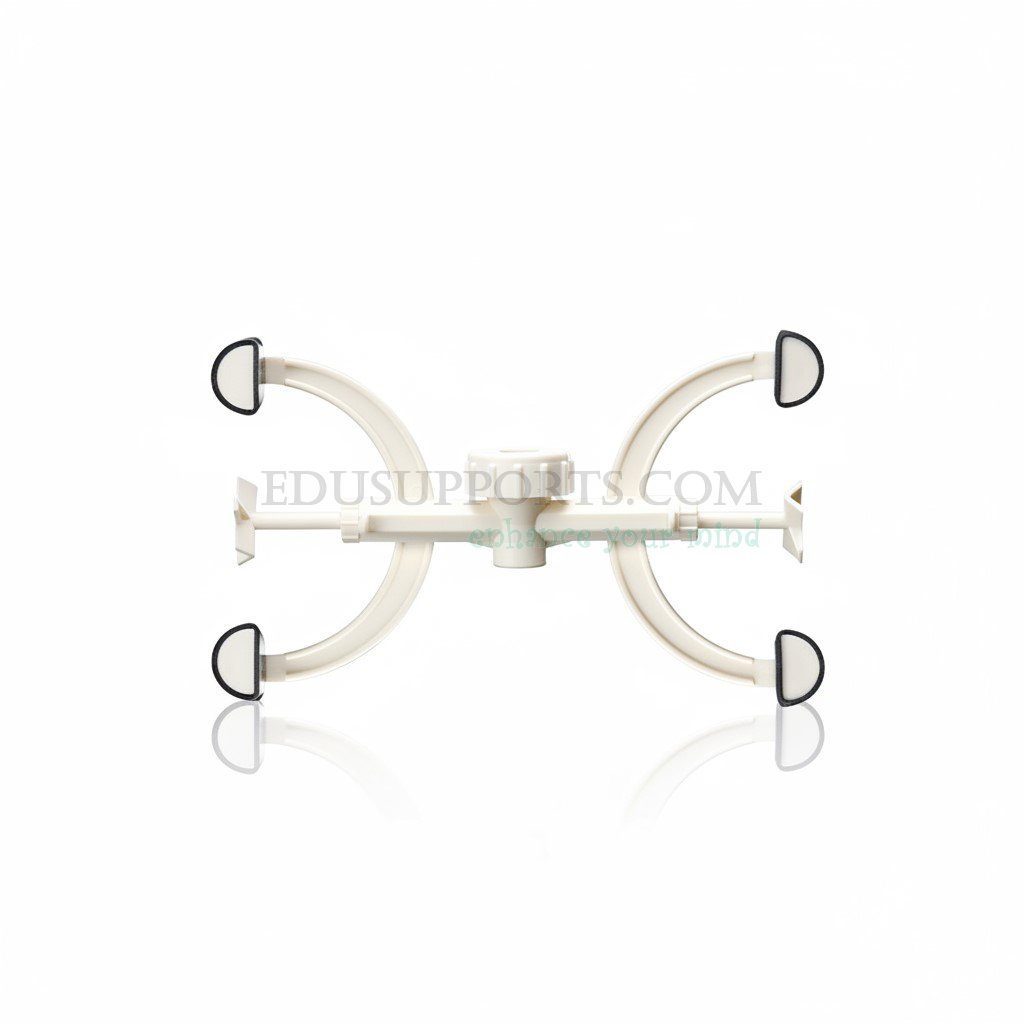
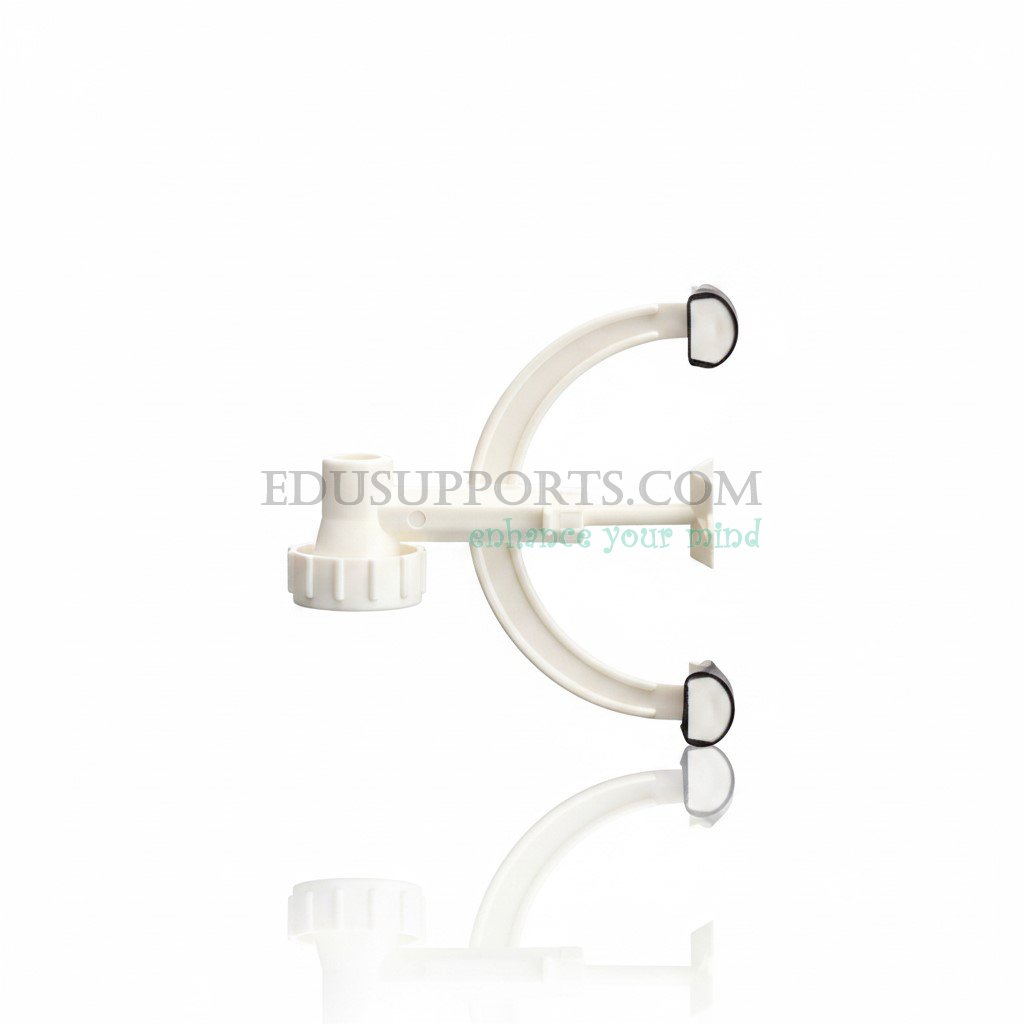
Example Products (Market Reference)
These examples show common features in the market:
Rubber-coated jaws
Aluminum or steel construction
Ability to hold 1–2 burettes securely
Materials Used in Burette Clamps
Material
Features
Stainless Steel
Corrosion-resistant, durable
Aluminum
Lightweight and strong
Polypropylene
Chemical-resistant, non-corrosive
For example, polypropylene clamps are corrosion-proof and provide firm grip using spring mechanisms.
Why Use a Double-Sided Burette Clamp?
A double-sided burette clamp offers several advantages:
Holds two burettes simultaneously
Saves lab space
Improves experimental efficiency
Ideal for comparative analysis
Many designs can accommodate burettes up to ~30–35 mm diameter, making them suitable for a wide range of applications.
Key Factors When Choosing a Burette Clamp
Grip Stability
Look for:
Rubber-coated jaws
Spring-loaded mechanisms
Prevents slipping and protects glassware
Compatibility
Ensure it fits:
Standard lab stand rods
Material Selection
Stainless steel → long-term durability
Aluminum → lightweight
Plastic → corrosion resistance
Adjustability
Modern clamps allow:
Adjustable jaw opening (15–40 mm)
Rotation up to 90° for flexible positioning
Applications of Burette Clamps
Burette clamps are widely used in:
Chemical titration experiments
Acid-base analysis
Pharmaceutical testing
Educational laboratory training
They ensure precision, safety, and repeatability, which are critical in laboratory environments.
Why Choose a High-Quality Burette Clamp?
A high-quality burette clamp can:
Improve measurement accuracy
Reduce experimental errors
Protect fragile glassware
Enhance laboratory efficiency
Looking for a Reliable Burette Clamp Supplier?
At edusupports.com, we offer:
Single and double burette clamp series
Stainless steel, aluminum, and plastic options
Strong grip with protective coatings
Customizable configurations for different lab setups
Suitable for schools, research labs, and industrial applications.

 English